Optimal Timing for Beam Repairs
Understanding the optimal timing for beam repairs is crucial to ensure structural integrity and safety. Factors such as environmental conditions, usage patterns, and existing damage influence the ideal period for maintenance activities. Proper scheduling can help prevent costly repairs and extend the lifespan of the beams.
Performing beam repairs during mild weather conditions minimizes complications related to moisture, temperature fluctuations, and temperature-related expansion or contraction.
Early signs such as cracking, sagging, or corrosion should prompt immediate assessment and repair to prevent further deterioration.
High-traffic or heavily loaded beams require more frequent inspections and repairs to maintain safety and performance.
Regular inspections, typically annually, help identify issues early and determine the best time for repairs.
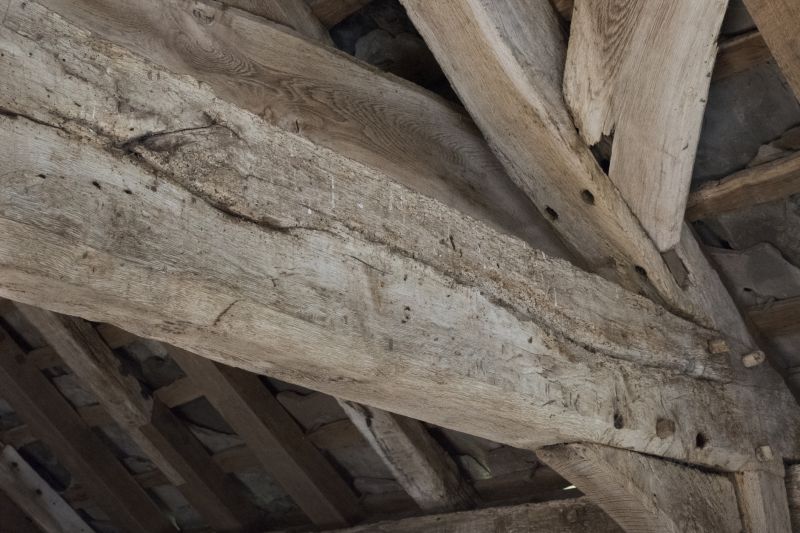
Technicians assess structural integrity and identify damage.
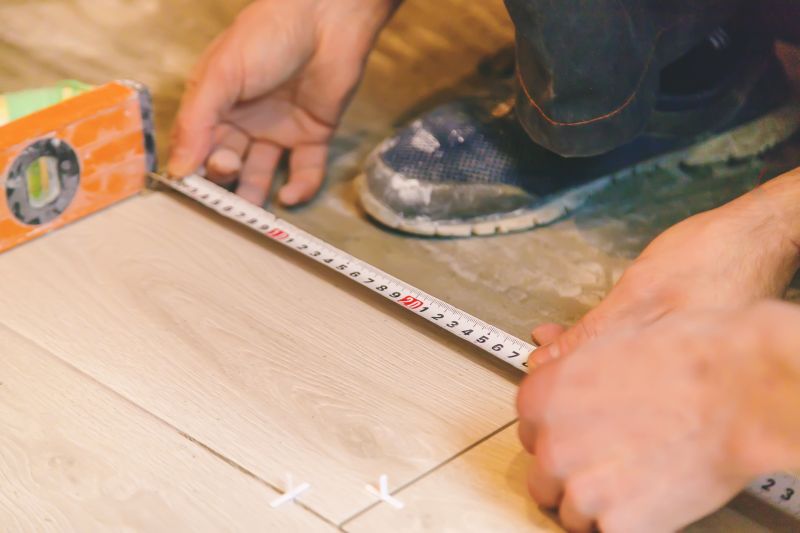
Preparation involves cleaning and assessing the extent of repairs needed.
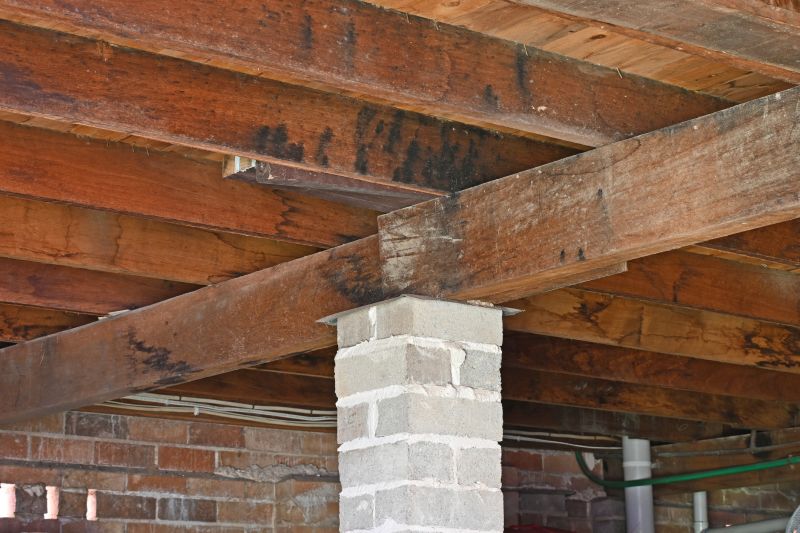
Application of reinforcement or replacement components restores beam strength.
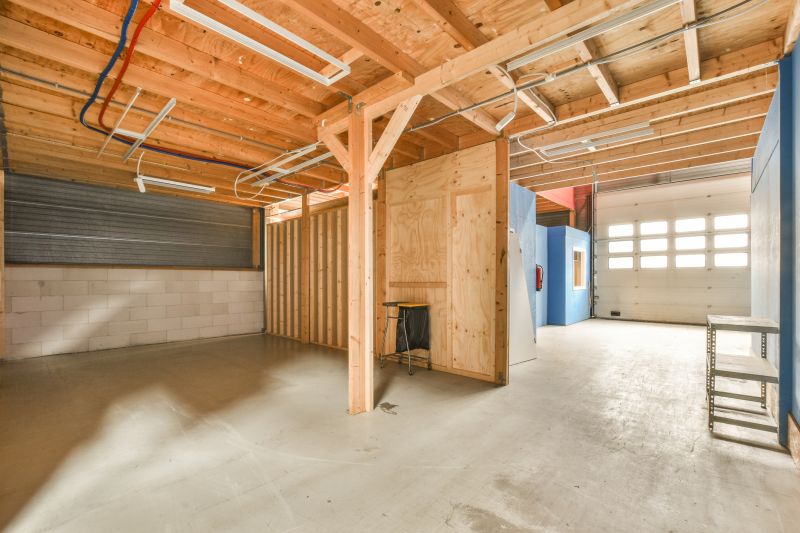
Ways to make Beam Repairs work in tight or awkward layouts.
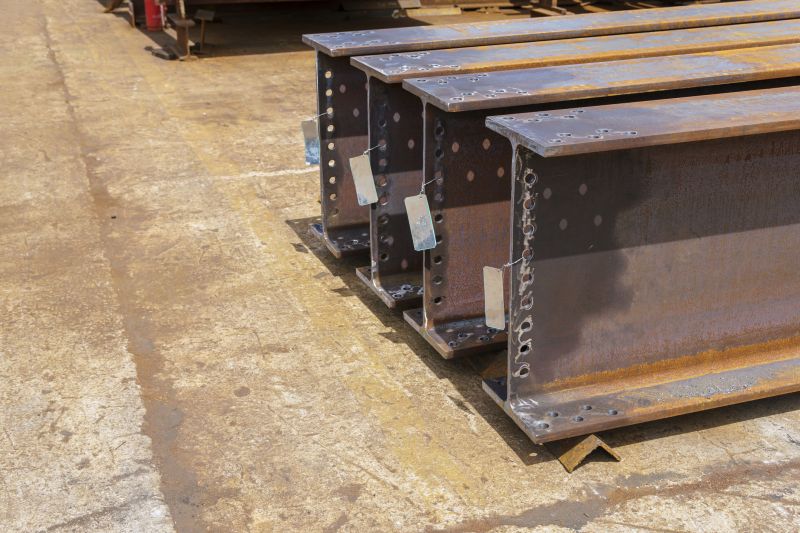
Popular materials for Beam Repairs and why they hold up over time.
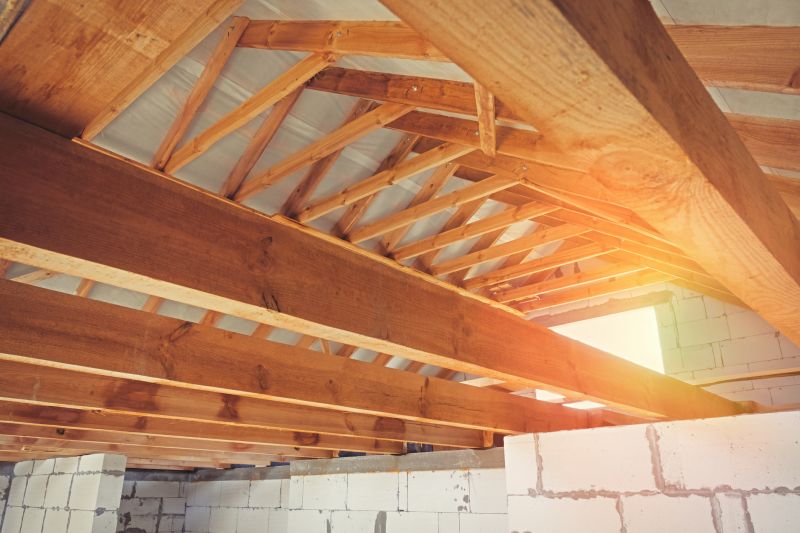
Simple add-ons that improve Beam Repairs without blowing the budget.

High-end options that actually feel worth it for Beam Repairs.
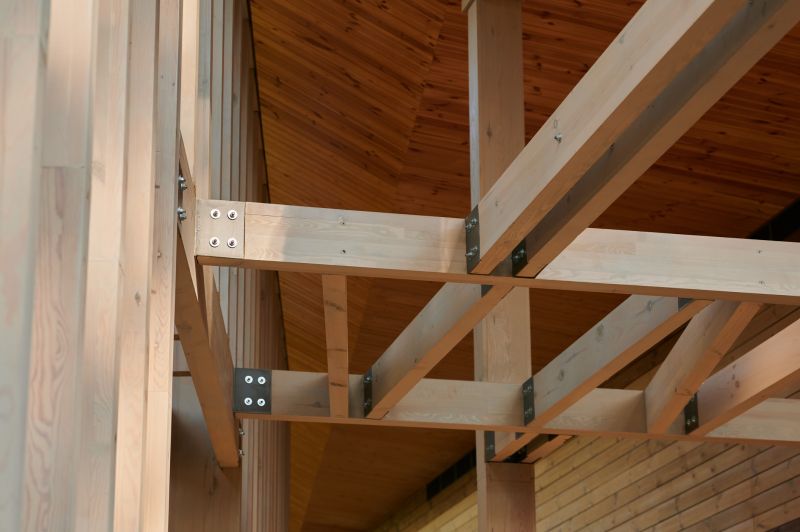
Finishes and colors that play nicely with Beam Repairs.
Beam repairs are essential for maintaining structural safety and preventing potential failures. Timely interventions can address issues such as cracking, corrosion, and deformation before they escalate. Advanced techniques, including reinforcement and replacement, are employed based on the severity of damage. Regular assessments and adherence to optimal timing can significantly prolong the lifespan of beams and ensure ongoing safety.
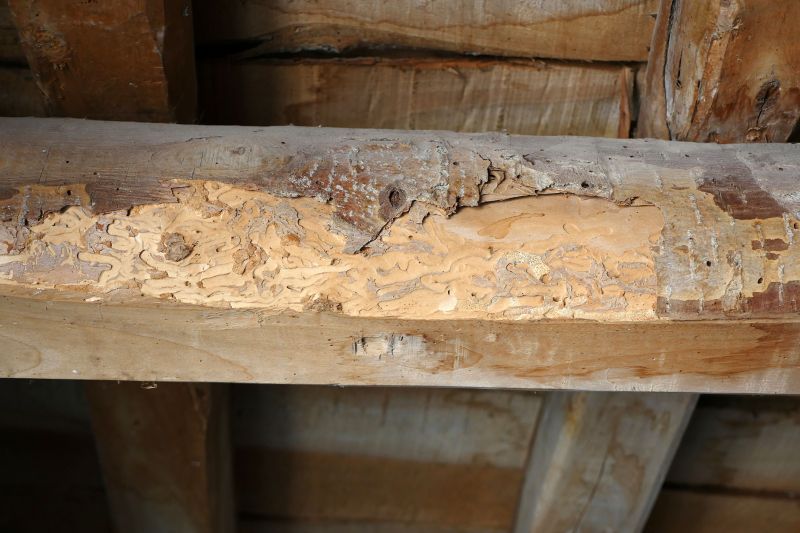
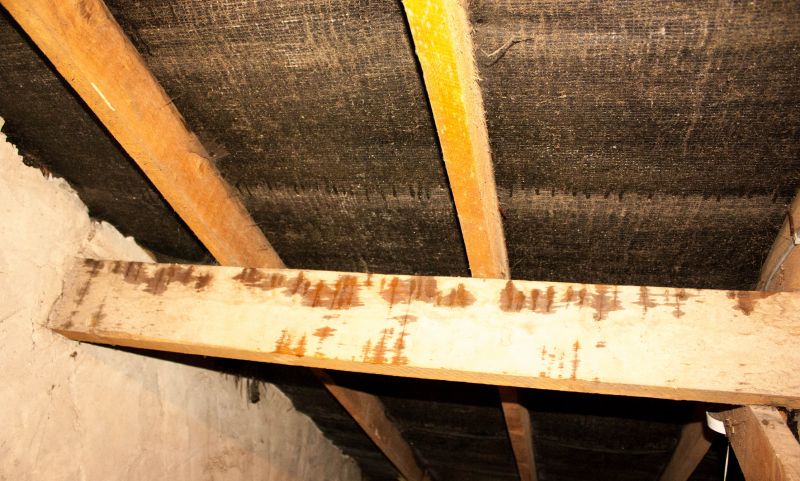
Damaged beam showing signs of wear.
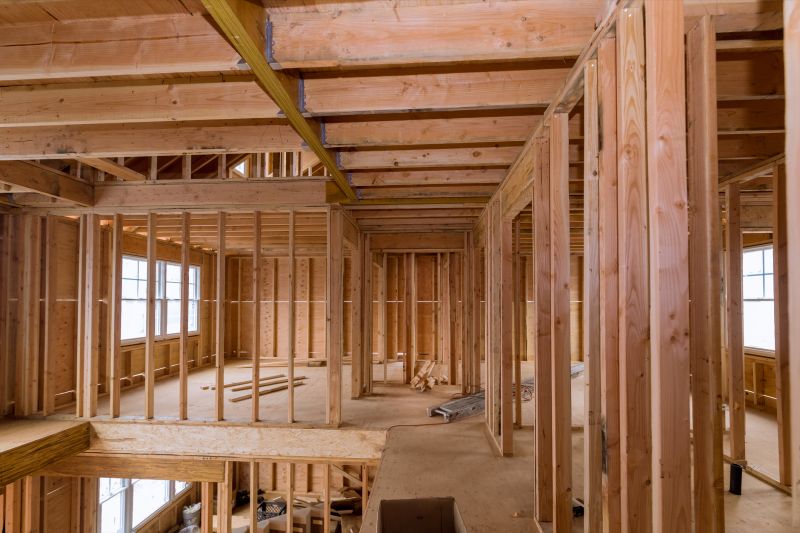
Structural reinforcement being applied.
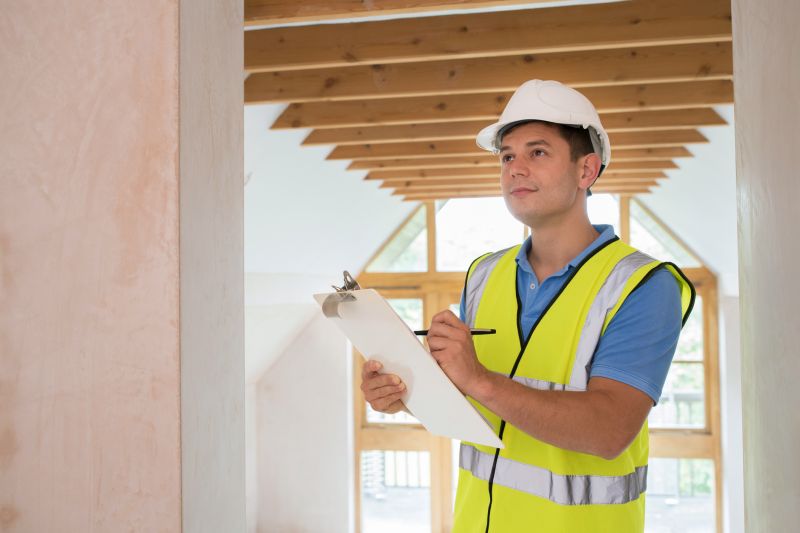
Ensuring repair quality and safety.
Restored structural integrity.
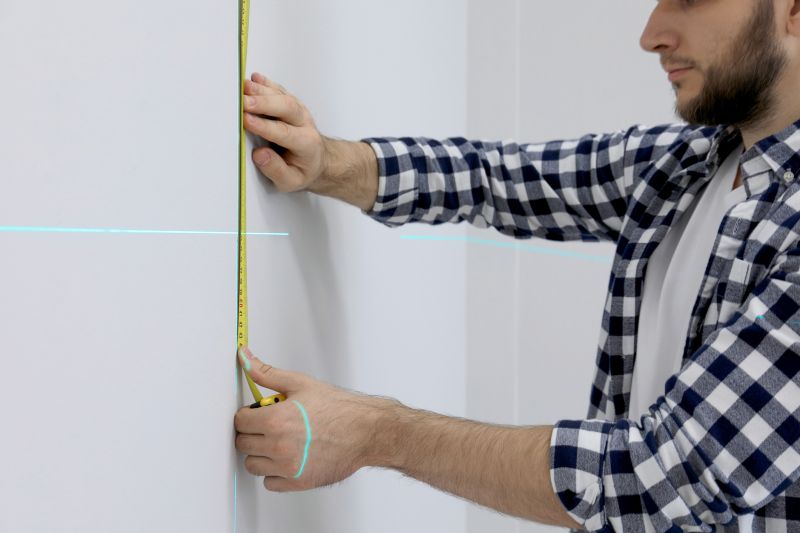
Little measurements that prevent headaches on Beam Repairs day.
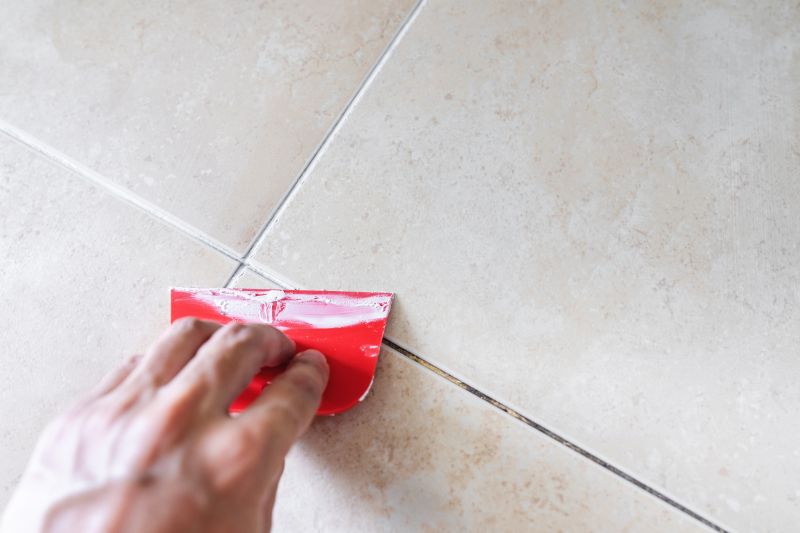
A 60-second routine that keeps Beam Repairs looking new.
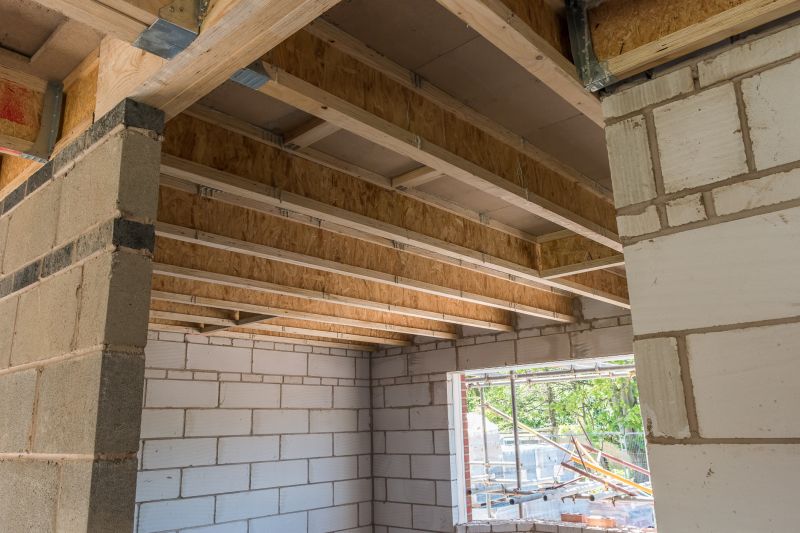
A frequent mistake in Beam Repairs and how to dodge it.
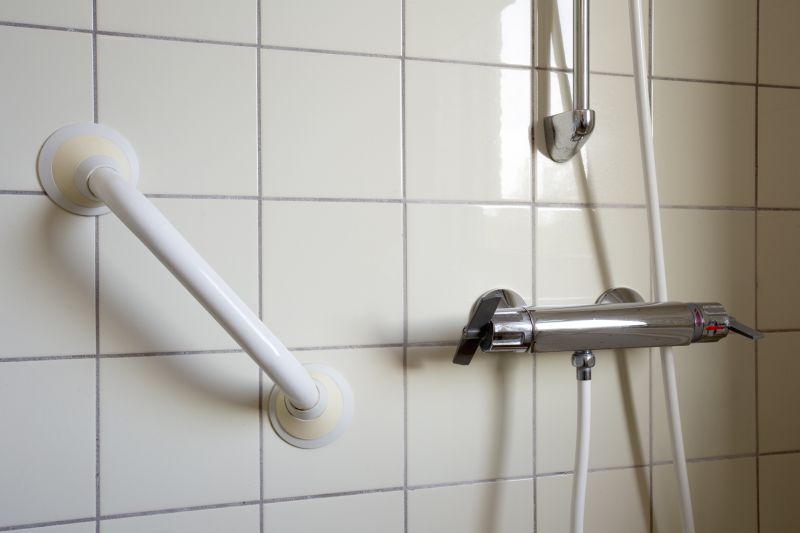
Small tweaks to make Beam Repairs safer and easier to use.
| Factor | Recommended Timing |
|---|---|
| Cracks or deformation | Immediately upon detection |
| Corrosion signs | During dry weather periods |
| Sagging or load issues | As soon as identified |
| Scheduled inspections | Annually or biannually |
| Environmental conditions | Avoid during extreme weather |